The Nature
Laboratory
Nature as an everyday resource for learning.
What happens if children grow up with regular, meaningful contact
with the living world as part of everyday learning?
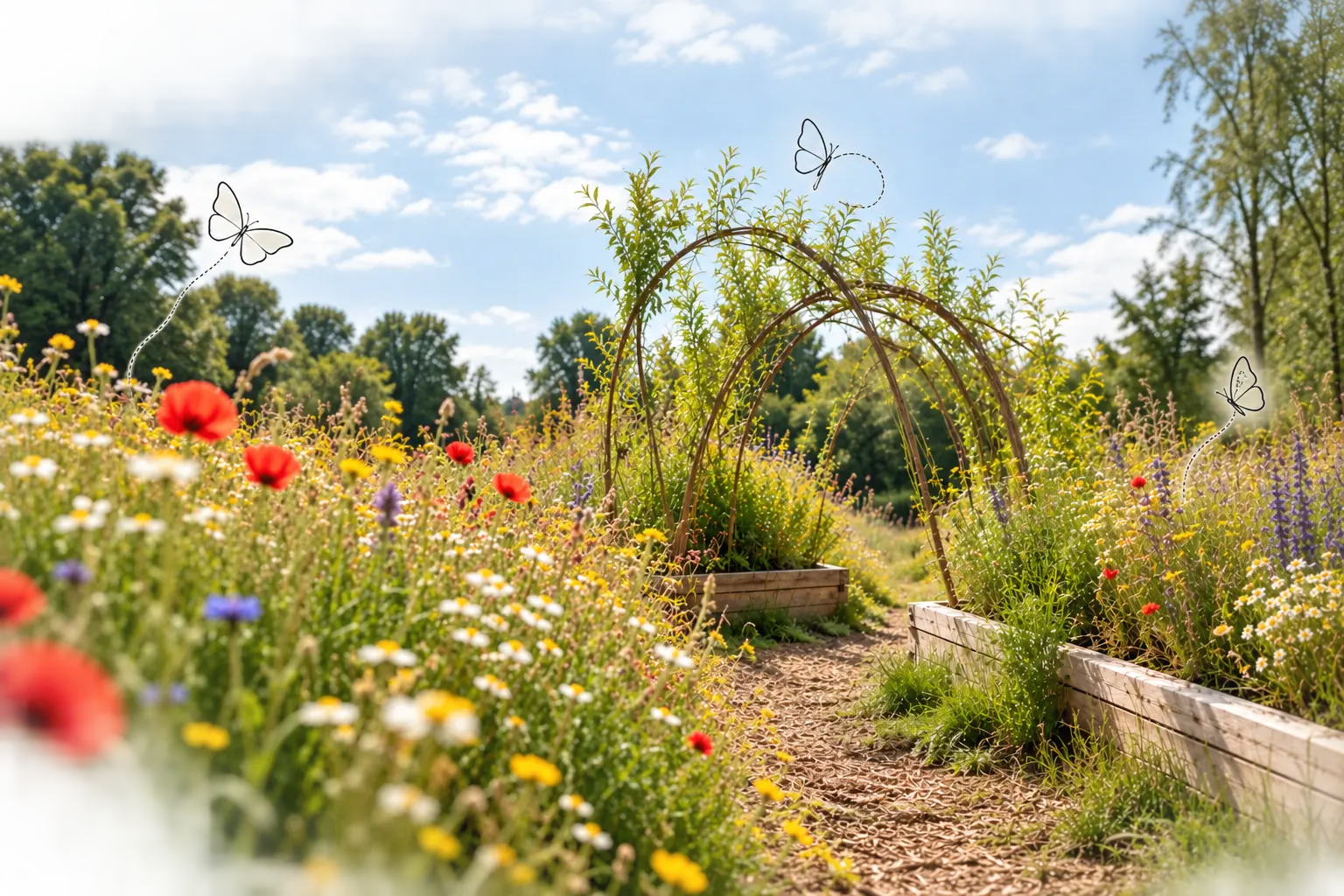
The natural world is
extraordinary when we
take the time to notice it.
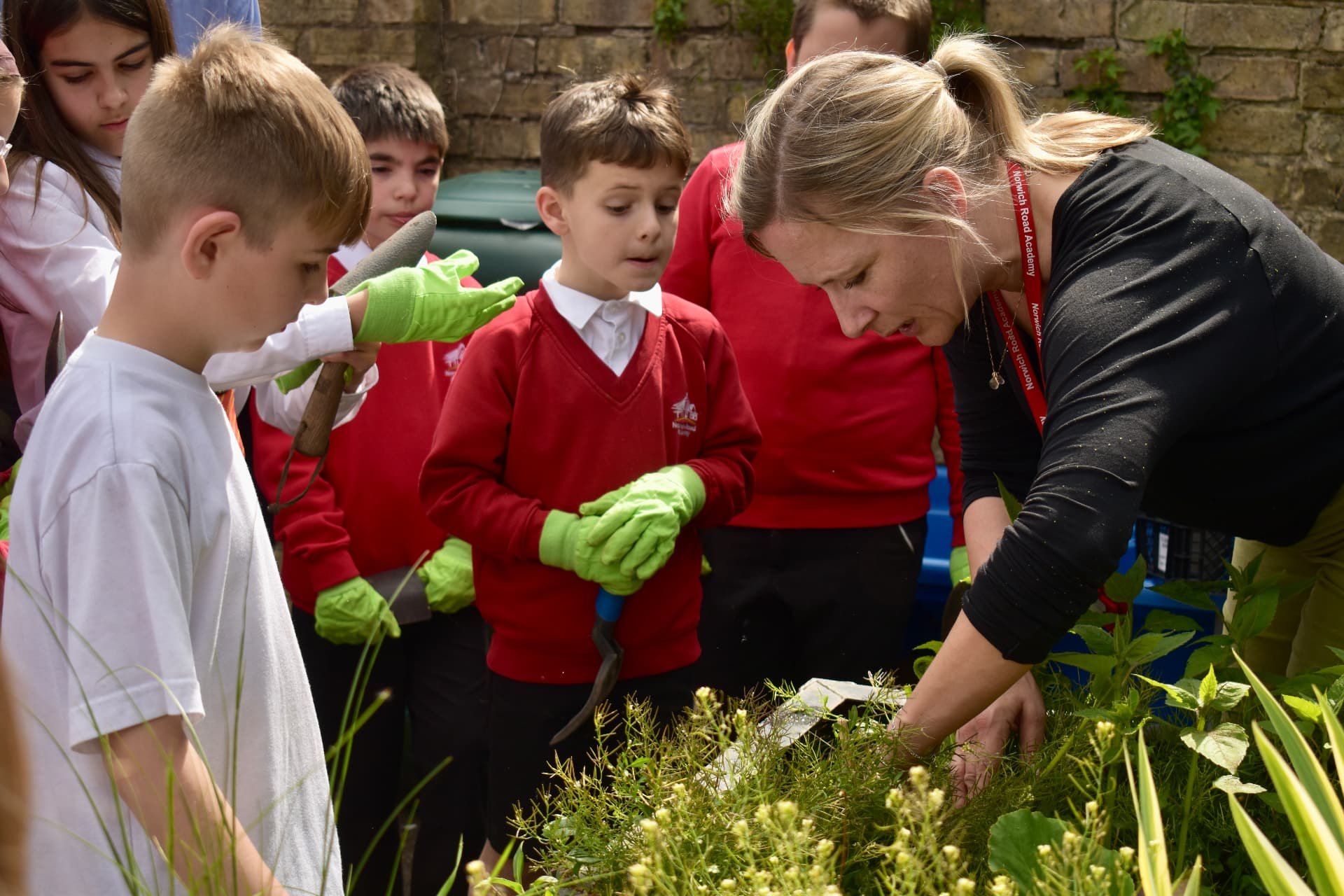
The Nature Laboratory is an approach to education and outdoor learning that brings the living world into children’s everyday experience at school.
We know that spending time outdoors and connecting with nature is good for children. Yet for many schools, outdoor learning remains an occasional activity rather than part of everyday teaching.
Why? What gets in the way? And what would make it easier?
Through a four-year programme, The Nature Laboratory will work with five primary schools to develop an approach from the bottom up — listening to teachers and children, understanding the practical barriers and co-creating ways of making nature part of everyday learning. These schools will be development partners, shaping an approach that can ultimately be shared much more widely.
“Many [pupils] have very little contact with nature and wildlife outside school.”
“Creating and enhancing habitats within school grounds offers a powerful and practical way of bringing nature into children’s everyday lives.”
Everyday nature
Every day. Every season.
The natural world is full of things to notice and question.
A wet morning can become an investigation into rainfall.
A fallen leaf can begin a conversation about seasons.
A dandelion growing through a crack can raise questions about how plants survive.
The Nature Laboratory begins by paying attention to what is already happening.
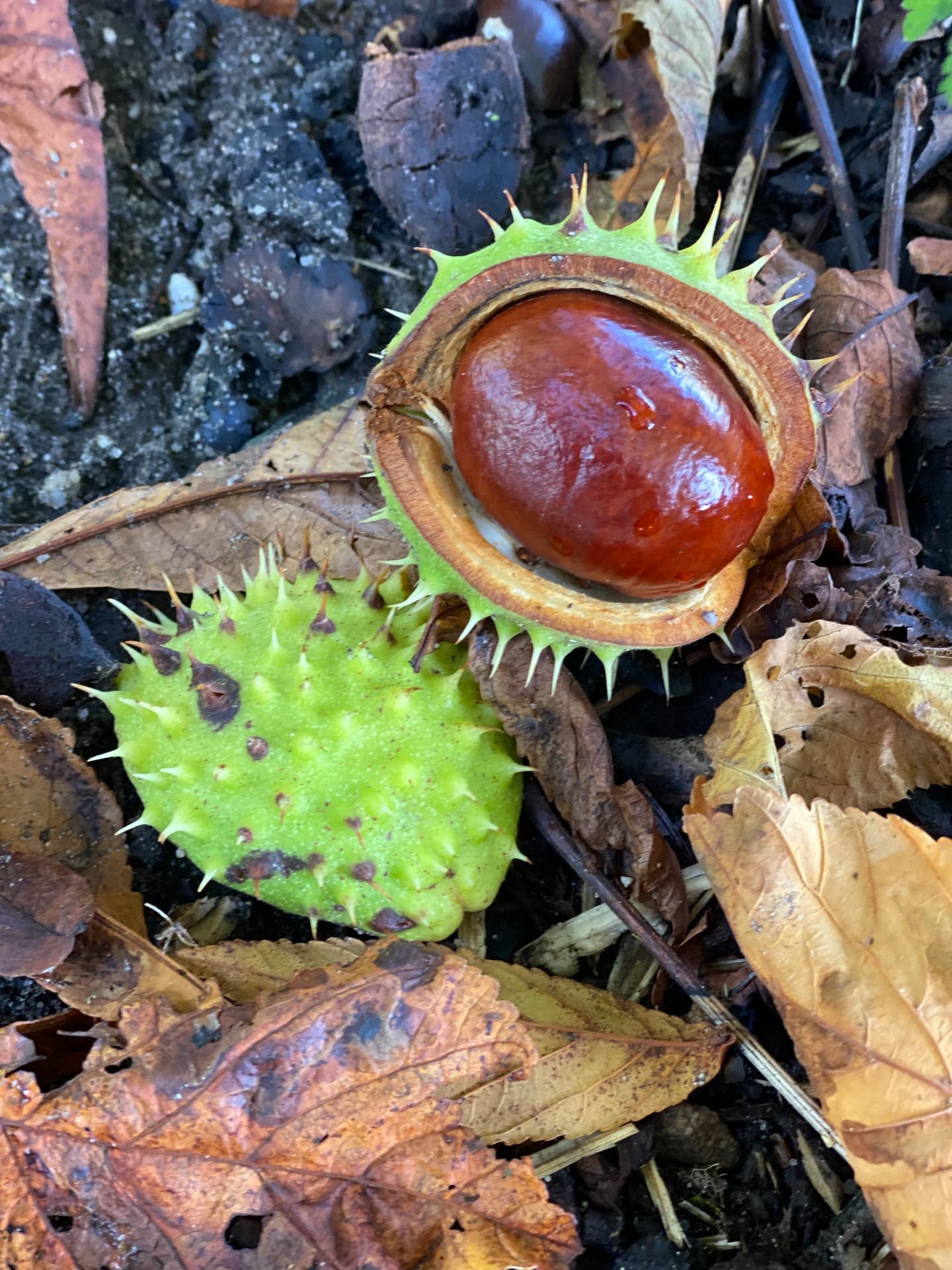
The Nature Laboratory asks what happens when nature is part of everyday learning.
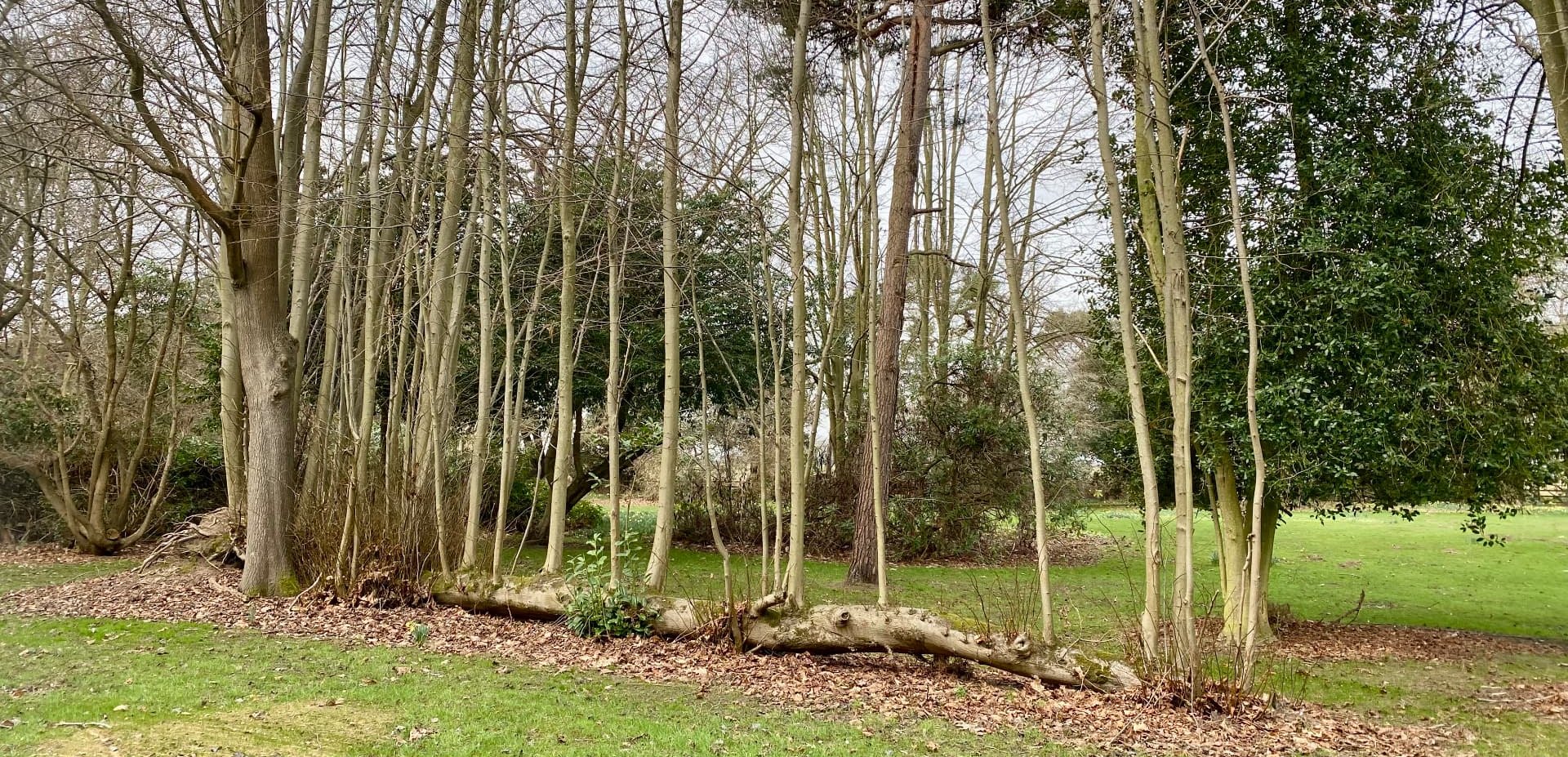
Turning nature into a learning resource
Practical resources will be co-created with schools to connect the living world with everyday teaching, learning and play. Seasonal prompts, curriculum connections and simple activities will offer starting points for Notice, Question and Explore.
The pilot will explore practical barriers such as bad weather, confidence, managing groups outdoors and sensory learning.
Learning can move easily between indoors and outdoors; from a whole lesson outside to simply collecting something from the school ground to investigate in the classroom.
A toolkit for noticing, questioning and investigating
At the heart of the programme is the development of The Nature Laboratory Toolkit — a practical, step-by-step collection of resources co-created and tested with teachers and children.
Envisaged as a beautifully illustrated boxed resource, with complementary digital materials, it will help schools discover and understand their existing landscapes, explore opportunities for habitat creation and management, and bring the living world into everyday curriculum learning.
It will also address the real challenges teachers face when working outdoors, providing practical guidance shaped by classroom experience.
Useful. Adaptable. Grounded in real school experience.
“The creation of an outdoor learning toolkit will empower teachers and educational providers to open up the outdoors to their curriculum enhancing use.”
A four-year experiment in everyday nature.
Five primary schools. Five different landscapes, communities and starting points.
Year 01
Notice + understand
Map what is already there. Listen to teachers and children. Identify opportunities and barriers.
Year 02
Create + test
Develop habitats, learning landscapes and practical resources. Begin testing them through everyday teaching.
Year 03
Observe + adapt
Learn from use. Refine the landscape, activities and teacher support.
Year 04
Share + launch
Bring together the findings, complete and publish the toolkit, and host a national outdoor learning conference to share the approach with a wider audience.
Developing together. Sharing what works.
What is learned through the five development schools will become a transferable approach for primary schools elsewhere, bringing together curriculum resources, practical teacher support and guidance for creating and managing richer school habitats.
Beyond the initial four-year programme, the ambition is to support a further 30 Suffolk primary schools in adopting the toolkit, before extending its reach more widely.
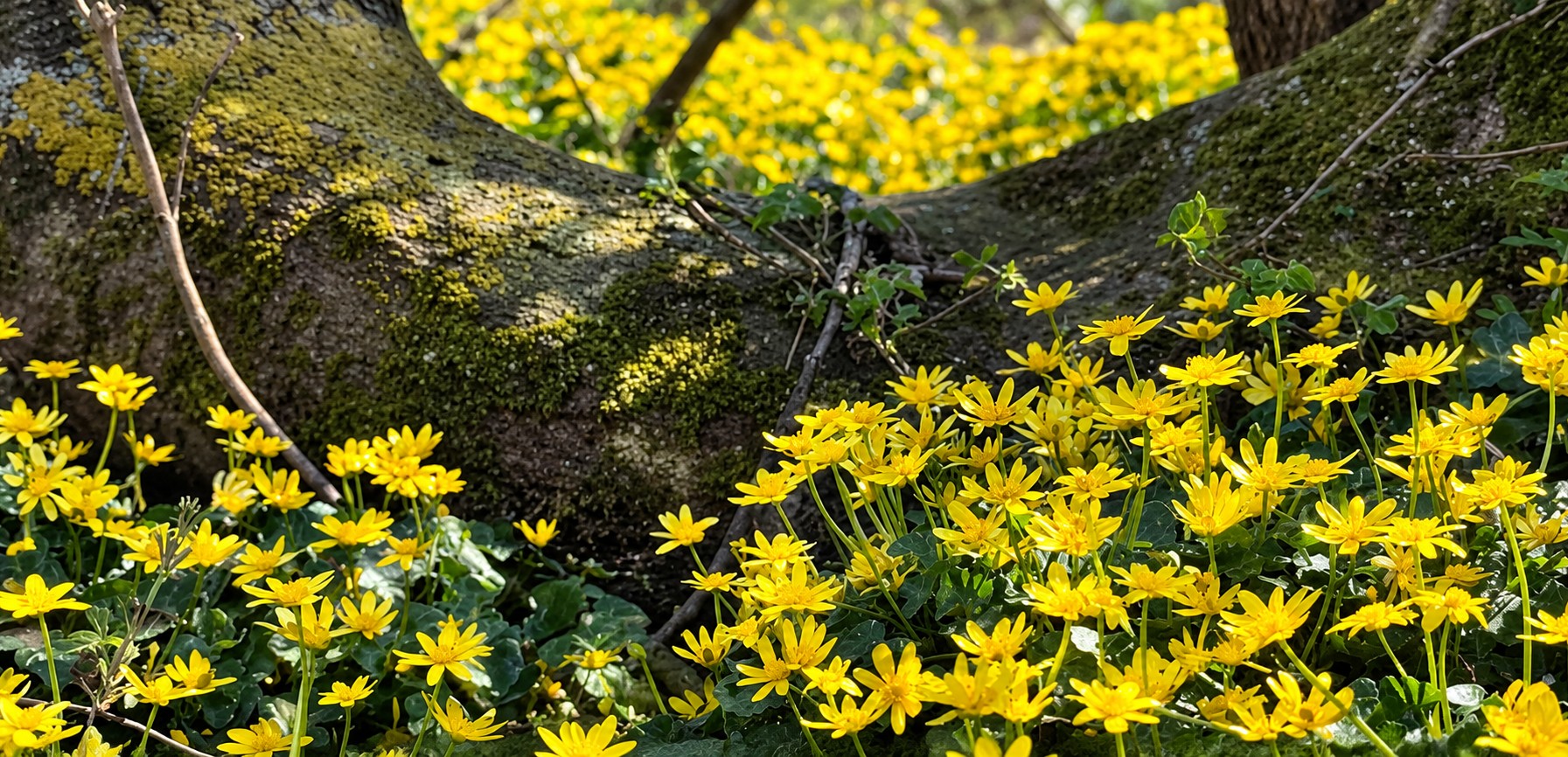
Natural environments support attention.
Research in Swedish preschools found that children aged 4.5–6.5 playing in spacious, nature-rich outdoor environments showed fewer behaviours associated with inattention.
Mårtensson et al., 2009 — Health & Place
Everyday school grounds can make a difference.
A UK study of 8–11-year-olds found that regular biodiversity-focused activities in school grounds improved children's mood and wellbeing, while strengthening nature connection.
Harvey et al., 2020 — Journal of Environmental Psychology
Access to nature is not equal.
93% of children surveyed said being in nature makes them happy. Yet children from lower-income households were considerably more likely to report low nature connection.
Natural England, Children's People and Nature Survey, 2025
So what gets
in the way?
Natural England’s research with primary school teachers identified curriculum demands, inadequate grounds, large classes and lack of confidence among the barriers to integrating outdoor learning. These are the practical barriers the pilot will explore with schools.
Who is behind The Nature Laboratory?
The Nature Laboratory brings together landscape, education and primary school practice.
Mia Niklasson — Founder & Project Lead
Swedish landscape designer, qualified teacher and former university lecturer, with experience designing school, therapeutic and public landscapes.
Elly Boyd — Primary Education & Science Lead
Experienced primary school teacher and science lead, with practical experience integrating outdoor learning across the curriculum.
Together, they bring landscape and learning together, developing an approach that works both on the ground and in the classroom.
Will you join us?
The Nature Laboratory is being developed with schools, educators and environmental organisations interested in making everyday contact with the living world part of childhood.
We are looking for schools, collaborators and supporters who would like to help shape what comes next.
Schools
Interested in taking part
Partners + supporters
Help develop, support and share the work
Follow the project
See what we are learning along the way
Research and sources
Mårtensson, F. et al. (2009). Outdoor environmental assessment of attention promoting settings for preschool children. Health & Place, 15(4), 1149–1157.
ScienceDirect
Harvey, D.J. et al. (2020). Psychological benefits of a biodiversity-focussed outdoor learning program for primary school children. Journal of Environmental Psychology, 67, 101381.
ScienceDirect
Natural England (2025). The Children’s People and Nature Survey for England: 2025 update.
GOV.UK